
A forex demo account is an essential tool for anyone looking to get into currency trading. It allows traders to practice trading in a risk-free environment, using virtual money (play-money) to simulate real market conditions. A good demo account will replicate live forex markets, letting you test strategies, familiarize yourself with trading platforms, and understand market dynamics—all without any financial risk. Whether you are a beginner or an experienced trader testing a new strategy or learning a new platform, demo accounts provide invaluable hands-on experiences.
While demo accounts are immensely helpful, it is crucial to remember that live trading comes with real-world risks and emotional challenges that may not be present in demo environments. By using the demo account effectively and treating it seriously, traders can build the confidence and skills needed for success in live forex trading.
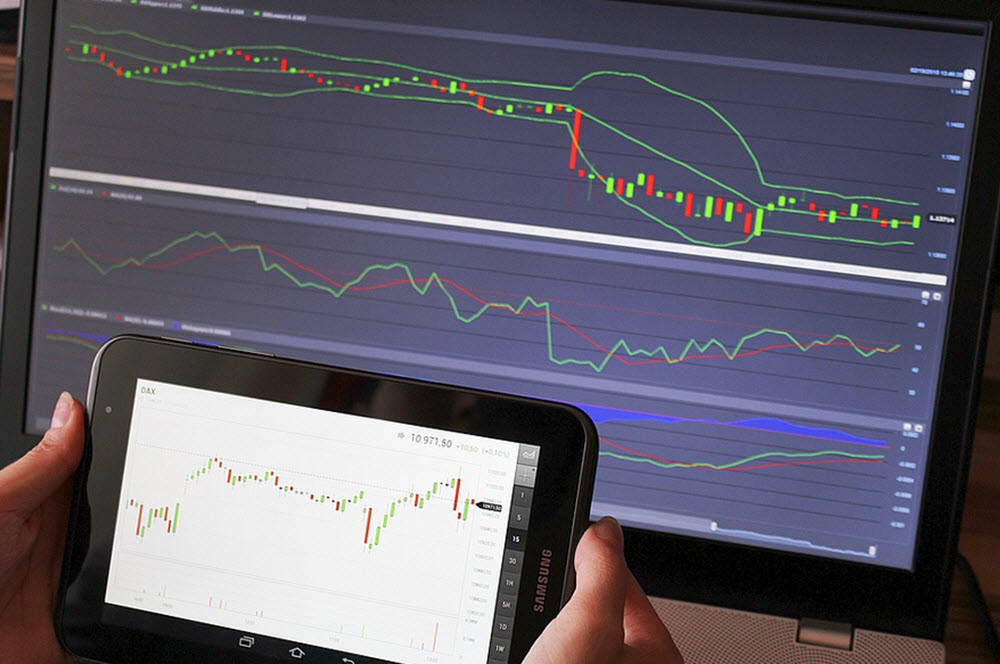
What is a Forex Demo Account?
A forex demo account is a type of account provided by brokers that allows users to trade in real-time market conditions using virtual funds instead of real money. The main purpose of a demo account is to give traders an opportunity to learn how to navigate the forex markets without risking their capital.
Features of a demo account typically include:
- Access to the broker’s trading platform (such as cTrader, MetaTrader 4, MetaTrader 5 or a proprietary platform).
- Real-time price feeds for various currency pairs.
- The ability to practice placing different types of orders (e.g., market, limit, stop-loss orders).
- Access to charting tools and technical indicators for market analysis.
While the funds in a demo account aren’t real, the market conditions will be if you are using a high quality demo account. This means that you experience the same price fluctuations, market spreads, and execution speeds you would if you were trading with a live account.
Benefits of Using a Forex Demo Account
Risk-Free Learning
The most significant benefit of a forex demo account is that it allows you to learn without risking any real money. Beginners can practice trading in different market conditions, learn how to place orders, and get comfortable with the mechanics of forex trading. Mistakes that would be costly in a live account, like placing the wrong order or misunderstanding leverage, have no financial impact when made in a demo environment.
Strategy Testing
Demo accounts are an excellent way to test new trading strategies. Before using a new method in a live trading environment, you can test it in a demo account against real-world price data to evaluate its effectiveness in various market conditions. This is especially important when using technical indicators or developing automated trading systems, as it allows you to see how the strategy performs over time.
Familiarization with Platforms
Different brokers use different trading platforms, and a demo account lets you familiarize yourself with these interfaces. You’ll be able to learn how to navigate the dashboard, execute trades, and use charting tools effectively before switching to a live account and putting real money at risk.
Even experienced traders typically use demo accounts when they learn a new platform. It is also a great way to find out if you even like the platform, as this is something you want to know before you have made any deposit.
Things to Consider Before Opening a Demo Account
Blocked Features
Check if the demo account has access to all the features of the live trading platform, including real-time data, technical indicators, and order execution. Some brokers offer limited demo accounts, but it is better to choose one that closely mirrors the live trading environment.
Note: Some tangential services may stay be off limit even in an otherwise top-notch demo account. A broker offering a valuable analysis service or newsfeed could for instance block it for demo accounts, since the broker does not want traders to sign up for the demo account just to get free access to the service.
First Deposit Requirement
Brokers that know they have something good to offer will typically be very happy to give you free access to a demo account and fill it with free play money for you.
If a broker requires you to make a first deposit before you can access the demo account, consider this a bit of red flag. After all, one of the main purposes of a demo account is to allow you to see what the broker has to offer and if its suits you before you make any deposit.
There are so many forex brokers out there that will be happy to see you use a free demo account risk free, so there is really no need to patronise any of the other ones, unless you have really strong reasons for this. For most forex traders, especially beginners, it is safer and better to go with one of the brokers that do not have a first deposit requirement for demo accounts.
Time Limit
Pay attention to the duration of the demo account. Some brokers offer demo accounts that expire automatically after 30 days, while others provide non-expiring demo accounts, allowing you to practice for as long as you need and test out new strategies as you gain more experience with fx trading.
Be suspicious of a broker is trying to rush you into a decision, e.g. by only keeping the demo account active for 48 hours.
Note: Some brokers have demo accounts that will close automatically after a set period of time, e.g. 30 days, but where a simple email to the support is all that is required to get new access and new play-money.
Play-Money Limit
It is common for a demo account to be filled with a set amount of play-money, e.g. $10,000. This will help users feel that their money is not an endless resource, which is important as it is more similar to real-money trading.
Check beforehand if the broker is willing to replenish your demo account for free upon request once you run out of money. This is especially important if you plan to keep your demo account active for a long time, e.g. to test out new strategies or to continously learn more about technical analysis using play-money.
Using a Demo Account
It can be great to take some time with you demo account to really play around and explore every corner of the platform. Test wild strategies, learn how all the different orders work, experiment with technical analysis, etcetera. Eventually, however, it is also good to start using it as you would a live account. Pretend that you are actually putting real money at risk and test-run the trading strategy you plan on using for real money trading. It will never be exactly like real-money trading, because the emotions are different, but you can aim to at least get closer to that experience and see how your strategy stacks up against real world price data. Use realistic amounts and take risks that align with your risk management strategy.
As you test out and tinker with your forex trading strategy, be aware of the risk of curve fitting, also known as overfitting. This happens when you create a strategy that is so perfect for historic market data that it fails to handle new trading conditions well. Typically, a forex trading strategy that suffers from overfitting will be overly complex and at the same time to rigid to handle shifting market conditions.
Moving From a Demo to a Live Account (Real-Money Account)
While a demo account is a great tool for practice, it’s important to understand the differences between demo and live trading. One of the key differences is emotional pressure. When real money is on the line, traders often experience anxiety, fear, and greed, which can lead to different decision-making compared to the calm, stress-free environment of a demo account.
Additionally, slippage and execution speeds can vary between demo and live accounts. In a demo environment, trades are executed instantly at the price you see, whereas in live trading, especially in volatile markets and with minor and exotic forex pairs, there can be slight delays or slippage, where the price you see isn’t necessarily the price you get.
Even if you have felt confident putting big bucks on the line in your demo account, you should start out very small when you begin real-money trading. Greed might tell you to risk more – after all, you have developed such as splendid trading strategy in the demo account – but you should stick to a proper risk management strategy that takes the size of your real-money bankroll and your inexperience trading with real money into account.
This article was last updated on: September 28, 2026